Groundwater permits in Thailand: what property owners need to know
When a licence is required, who applies, and why a legal well protects you at resale time.
June 1, 2026 · 6 min read
Thai groundwater law is one of those topics where island rumour runs ahead of the facts. Some owners believe any hole needs a ministry file; others have been told permits are 'not really checked'. Both versions cost people money. Here's the practical picture.
When a permit is required
The Groundwater Act requires a licence for wells beyond specified depth and usage thresholds — which covers most drilled household and commercial wells in designated groundwater zones. Shallow hand-dug wells for minor domestic use generally sit outside the regime. The exact thresholds are technical; the practical takeaway is simpler: assume a drilled well needs paperwork until someone qualified confirms otherwise.
Who actually handles it
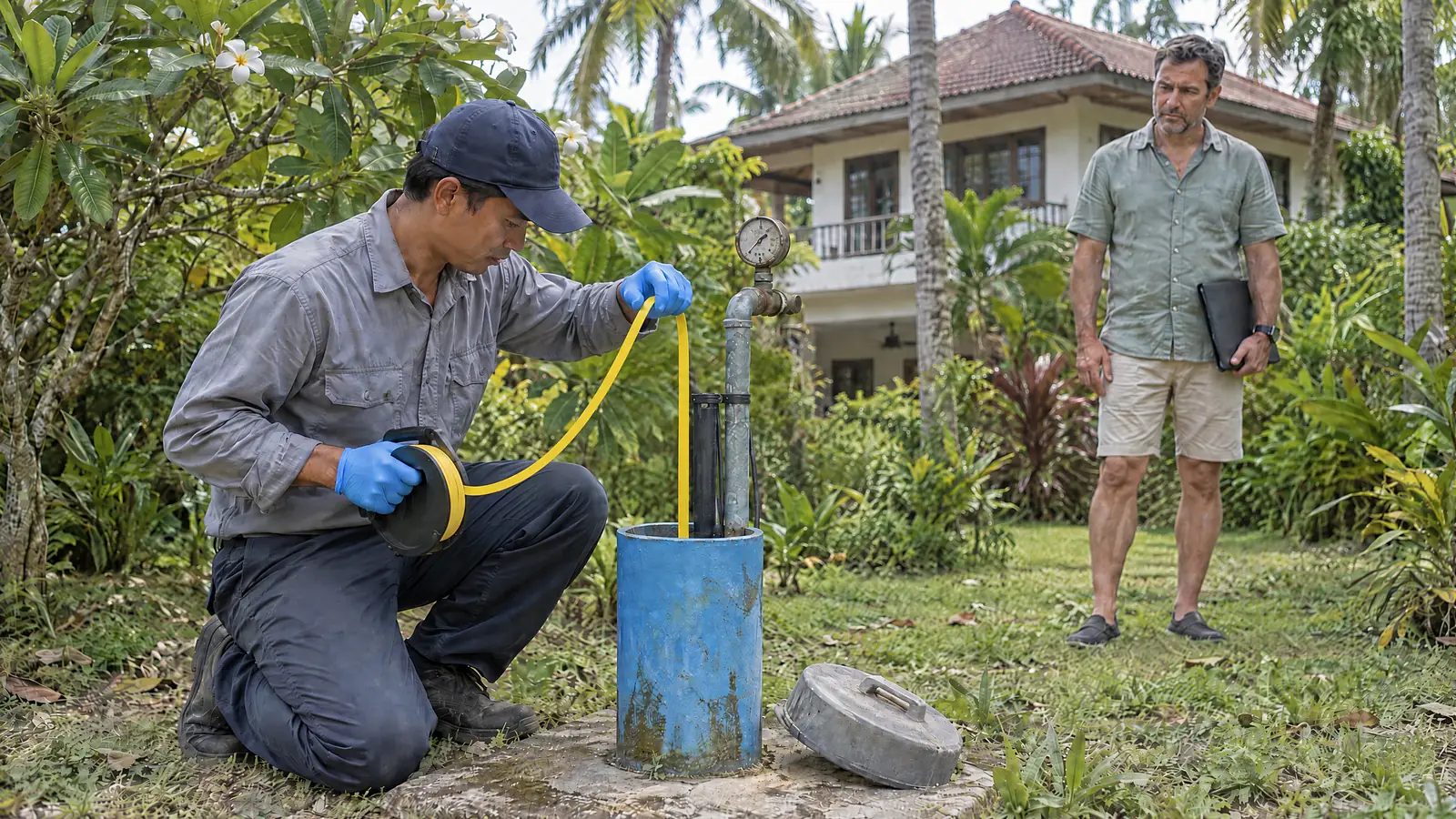
Commonly, the licensed drilling contractor prepares the application as part of the job, with the owner providing ownership documents, and the drilling standards and completion report follow from that. Who does what can differ by project and by authority, so agree it in writing before drilling. If a contractor waves the topic away entirely, treat that as information about the contractor.
What it means for your project
Budget a little time for paperwork in the project schedule — it runs alongside, not instead of, the drilling
Keep the licence and completion report with your property documents
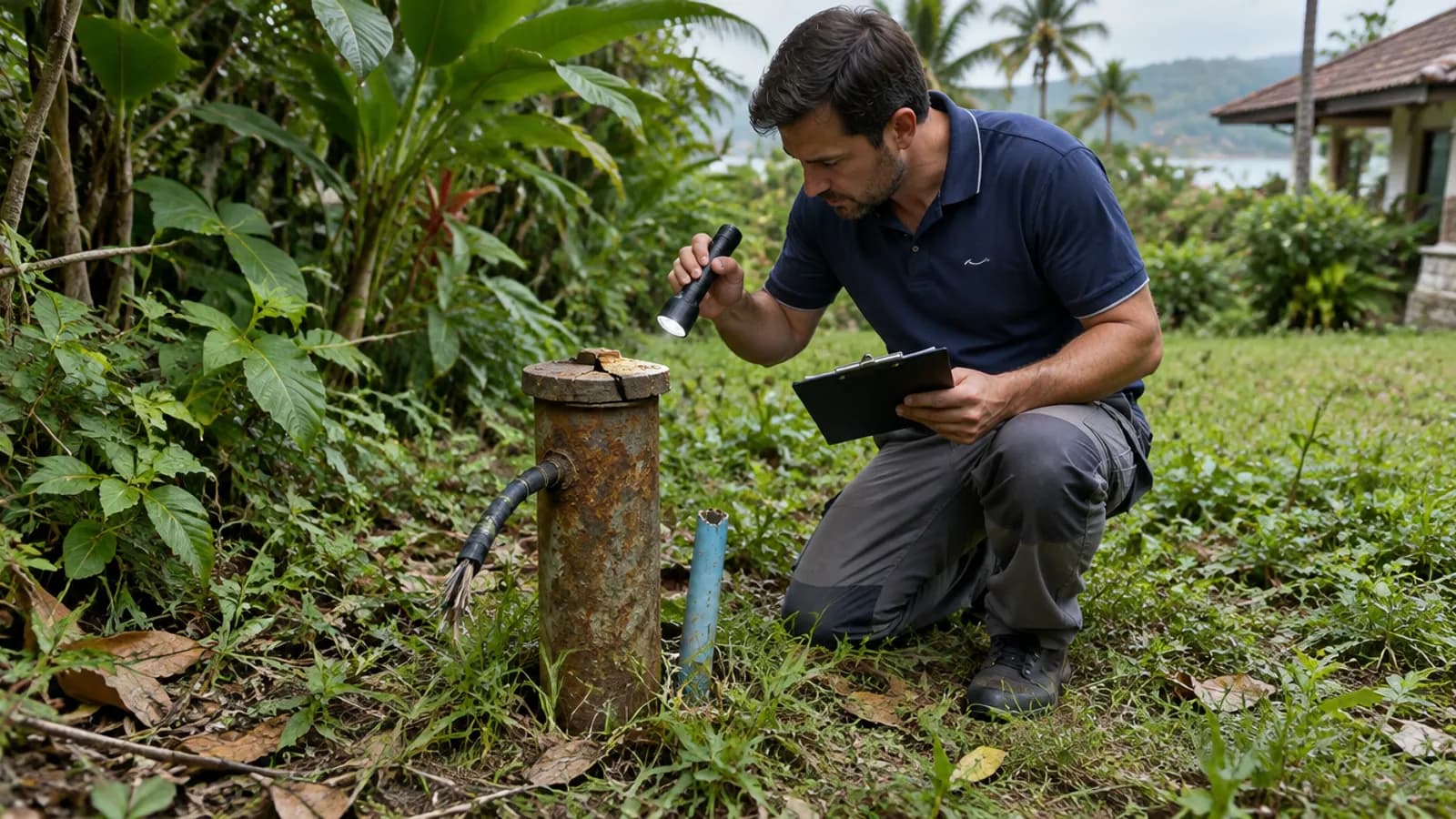
If you bought a property with an existing well, it's worth checking its paperwork status
Ask at the quotation stage whether your project needs a permit or notification, who will prepare it, and whether that work is included in the price. For a definitive answer on your plot, check with the relevant groundwater authority or a qualified adviser; this page is general information, not legal advice.